
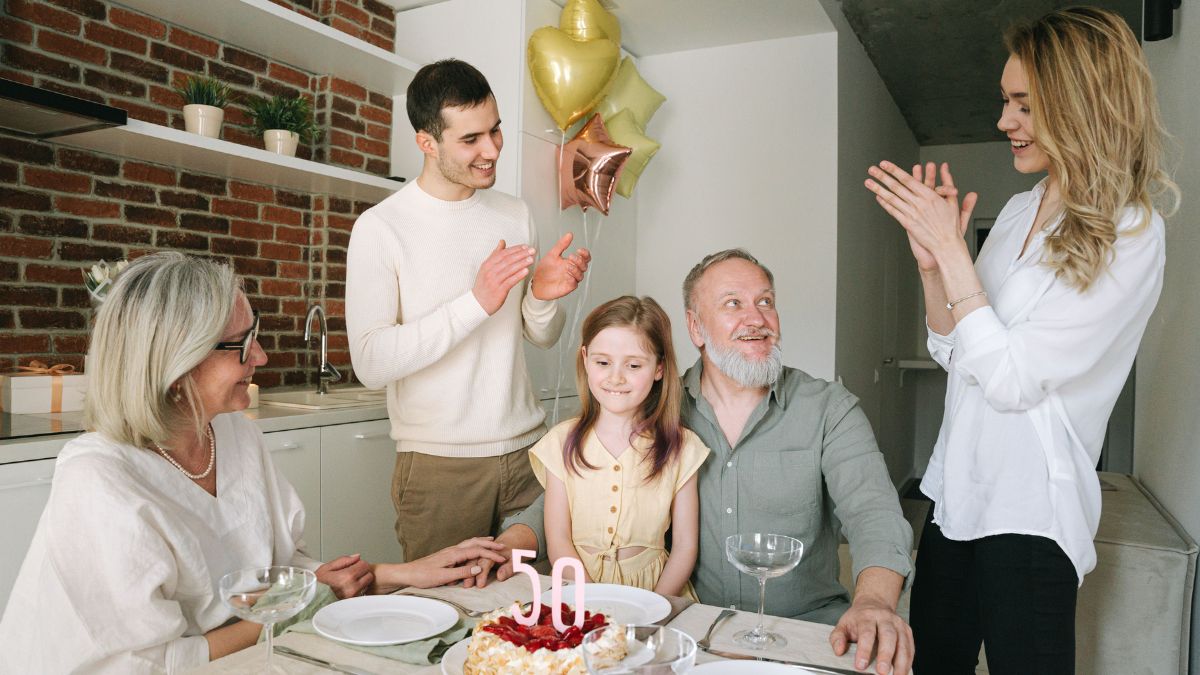
Nobody told me my grandfather was turning eighty.
Not because anyone forgot. Because he had spent the previous fifteen years telling the family, firmly and repeatedly, that he did not want a fuss. No party. No cake. No gathering. He was practical that way — always had been. Birthdays were just numbers, he said. They did not mean anything.
So we listened. And on the morning of his eightieth birthday, nobody called. Nobody came. My grandmother made him tea, same as every other morning, and the day passed like any Tuesday in November.
He never complained. He never said a word about it.
But my mother told me years later that she found him sitting alone in the garden that evening, quieter than usual. When she asked if he was alright he said yes, of course, he was fine. And then after a pause he said — “I just did not think the day would feel quite so ordinary.”
He did not want a fuss. But he did not want nothing either.
I think about that evening more than I probably should. Because it taught me something that took me years to fully understand. Birthdays are not about cake or parties or the number of candles. They are about one specific feeling — the feeling of being noticed. Of mattering to someone enough that they marked the day. Of existing in a way that other people acknowledged.
That feeling, it turns out, is not small at all.
Table of Contents
The Lie We Tell Ourselves About Birthdays
At some point most adults decide that birthdays stop mattering. They say it casually, almost proudly. “Oh I don’t really celebrate anymore.” “It’s just another day.” “Age is just a number.”
And maybe they mean it. But I have noticed something. The people who say birthdays do not matter are often the same people who go a little quiet when theirs passes without much acknowledgment. Who check their phone more than usual that day. Who feel something — not quite disappointment, but something adjacent to it — when the day ends without ceremony.
We tell ourselves birthdays are trivial because it feels safer than admitting we still want to be seen. That somewhere under the practicality and the maturity and the “I’m too old for this” there is still a version of us that wants someone to make a small fuss. To say — I know what day this is and I want you to know that I know.
That is not childish. That is human.
[20 Brilliant Birthday Gift Ideas for People Who Say They Don’t Need Anything]
What a Birthday Actually Celebrates
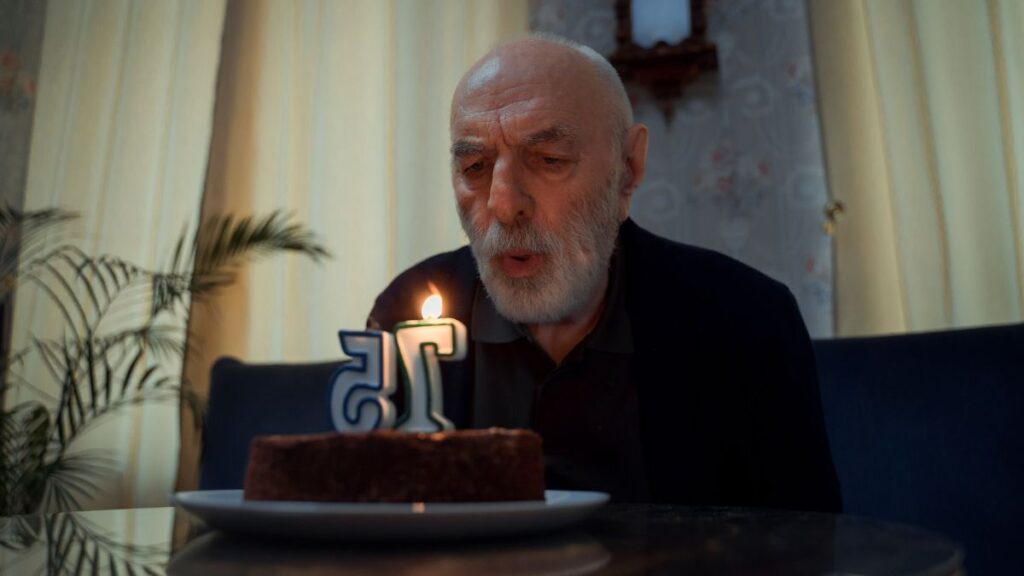
Here is something worth sitting with. A birthday does not celebrate age. Age is just arithmetic. You cannot celebrate a number.
A birthday celebrates survival. Presence. The accumulating weight of a life actually lived — the decisions made, the relationships built, the losses absorbed, the ordinary Tuesdays that turned out to matter more than anyone realized at the time.
When you acknowledge someone’s birthday you are not saying congratulations on completing another lap around the sun. You are saying — I see you. I see that you are here. I see that your being here has meant something to me and I did not want the day to pass without saying so.
That is a profound thing to say to another person. We have just buried it under balloons and store-bought cards until it stopped feeling profound.
Think about the birthdays that have stayed with you. Not the most elaborate ones — the most felt ones. The friend who drove an hour to have coffee with you on a difficult birthday year. The parent who remembered the specific thing you mentioned wanting six months earlier. The colleague who sent a message that somehow said exactly the right thing.
None of those moments cost very much. They cost attention. They cost the decision to show up, in whatever small way, deliberately.
That is all a birthday really asks of the people around us.
The People Who Remember vs The People Who Forget
You already know this distinction. You feel it every year.
There are people in your life who remember your birthday without being reminded by an app. Who reach out in a way that feels personal rather than automated. Who say something that could only be said by someone who actually knows you.
And there are people who forget entirely. Or who send a message so generic it might as well have been sent by a stranger. Or who remember only because Facebook told them to, and whose message arrives with the energy of someone completing a chore.
Both groups are telling you something about how much space you occupy in their lives. Not cruelly — most people who forget or send generic messages are not unkind. They are just busy, or thoughtless, or have not yet learned that these small moments carry more weight than they appear to.
The people who remember are practicing something. A kind of active love that expresses itself in paying attention to the details of other people’s lives — their birthdays, their struggles, their milestones, the things that matter to them specifically.
You can decide which kind of person you want to be. Today. With the very next birthday that comes around in your life.
Why the Years After 30 Need Birthdays More
Here is something nobody talks about honestly. Birthdays become more important as you get older — not less. But the infrastructure around them quietly disappears.
As a child, birthdays were events. School celebrated them. Friends came to parties. The day had a shape and a feeling and everyone around you understood that it mattered.
As an adult, that infrastructure vanishes. Nobody organizes anything unless you organize it yourself. The people who would naturally celebrate you are scattered across cities and time zones and busy lives. Social media gives you a wall of notifications from people who do not know your middle name, while the people who do know it sometimes forget to say anything at all.
The older you get, the more intentional birthdays have to become. And the more intentional they become, the more they mean — for the person being celebrated and for the people doing the celebrating.
A birthday acknowledged at fifty hits differently than a birthday acknowledged at fifteen. Because at fifty you have earned more, lost more, survived more. And being seen in the middle of that life — by someone who understands its specific weight — is a gift that no party could fully replicate.
[25+ Birthday Wishes for Someone Who Lost a Loved One: Honest & Comforting]
12 Simple Ways to Make a Birthday Count — Without Spending Much
1. Remember Without Being Reminded
Put the date in your calendar manually. Not from a Facebook notification. From your own memory or a deliberate act of recording it. When the day arrives and you reach out, they will know the difference.
2. Say the Specific Thing
Not happy birthday — the specific thing. The one that only you could say because only you know them well enough. Reference a memory, a quality, a moment. Make it impossible to forward to someone else.
3. Make the Call
Not the text. The actual phone call. In an age of messages and notifications, a real voice saying happy birthday has become genuinely rare. Rare things feel precious.
4. Show Up Without Being Asked
If they are nearby, show up. Knock on the door. Bring one thing — coffee, a small cake, just yourself. The unannounced appearance of someone who remembered is one of the most moving birthday experiences possible.
5. Acknowledge the Hard Ones
Some birthdays are hard. After a loss, during a difficult year, at an age that feels heavy. Acknowledging the complexity — not pretending the day is simple when it is not — is more valuable than forced cheerfulness.
6. Make Something
Write something. Draw something. Cook something. Anything that required your time and your thought rather than your credit card. Handmade things carry weight that purchased things rarely match.
7. Celebrate the Year Not Just the Day
Ask them what this past year meant to them. What they are proud of. What was hard. What they are looking forward to. Turn the birthday into a genuine conversation about their life rather than a quick exchange of pleasantries.
8. Give the Gift of Your Attention
Put your phone away. For the meal, the coffee, the walk — be entirely present. Full attention from someone you love is increasingly rare and increasingly valuable.
9. Remember the People They Have Lost
If someone important to them is no longer here, acknowledge it gently. A birthday after loss carries a shadow that most people tiptoe around. Walking directly toward it — briefly and carefully — can be the most meaningful thing you do all day.
10. Do Not Wait for a Round Number
Fortieth birthdays get celebrated. Fiftieth birthdays get celebrated. The thirty-seventh birthday of someone in the middle of a hard year gets forgotten. Do not let the round numbers be the only ones that count.
11. Send the Letter
Not the text. The actual letter, handwritten or typed and printed, that says the things you have been meaning to say. Birthdays are the socially acceptable moment to be sincere in ways that everyday life rarely permits. Use it.
12. Celebrate Your Own
This is the one people forget most often. You cannot be the person who shows up for everyone else’s birthdays while quietly neglecting your own. Celebrating yourself — not extravagantly, just deliberately — models something important. It says that your presence in the world is worth marking. It is.
What My Grandfather’s Garden Evening Taught Me
He sat in the garden that evening not because he was hurt or angry. He sat there because the day had passed without shape and he had not realized, until it passed, how much shape mattered to him.
He had spent years saying birthdays did not matter. And in one quiet evening he discovered that what he meant was — he did not want to be a burden. He did not want to make demands. He did not want to seem like the kind of person who needed a fuss.
But needing to be seen is not a burden. It is not a demand. It is just what it means to be a person living among other people, hoping that your presence registers somewhere, in someone, on at least one day of the year.
We have one birthday a year. One day that exists specifically to say — you were born and we are glad. That is not a small thing to say. We have just gotten very casual about saying it.
Start being less casual. With the people you love. With yourself.
The garden should not have been empty that evening. It does not have to be empty for anyone you care about this year.
[How to Plan a Surprise Birthday Party: 9 Brilliant Steps That Keep the Secret]